What is the Difference between Planning and Management

Planning creates the roadmap. Management brings it to life. Learn the real difference with simple examples and practical steps.
Planning and management are two distinct but interconnected processes within the realm of project management and general organizational activities.
Here's the key difference between the two:
What is Planning?
Definition of Planning:
Planning is a mental activity.
Planning is deciding in advance
- What to do,
- How to do it,
- When to do it, and
- Who should do it and
- How much resources you need,
Planning focuses on future courses of action. It specifies the objectives to be achieved in the future and selects the best course of action to achieve defined objectives.
What is the Nature of Planning?
It is a forward-looking and proactive thinking process that should occur before the actual work begins. Planning is focused on creating a roadmap for the project or the desired activities.
The planning process aka thinking process can be only improved if it can be maasured. In order to understand the deviations of any plan, to manage complex tasks, the execution of the work itself, it is so important to learn how to make the planning process vizual.
Key planning activities:
During the planning, tasks include goal setting, defining project scope, identifying resources required, setting timelines, and developing budgets.
Planning involves many different thinking activities like
- Analyzing the situation
- Goal setting
- Deciding about technical, personnel, financial, and other elements essential to implement the planned f action.
- Scheduling
- Anticipating risks and measures to reduce risks.
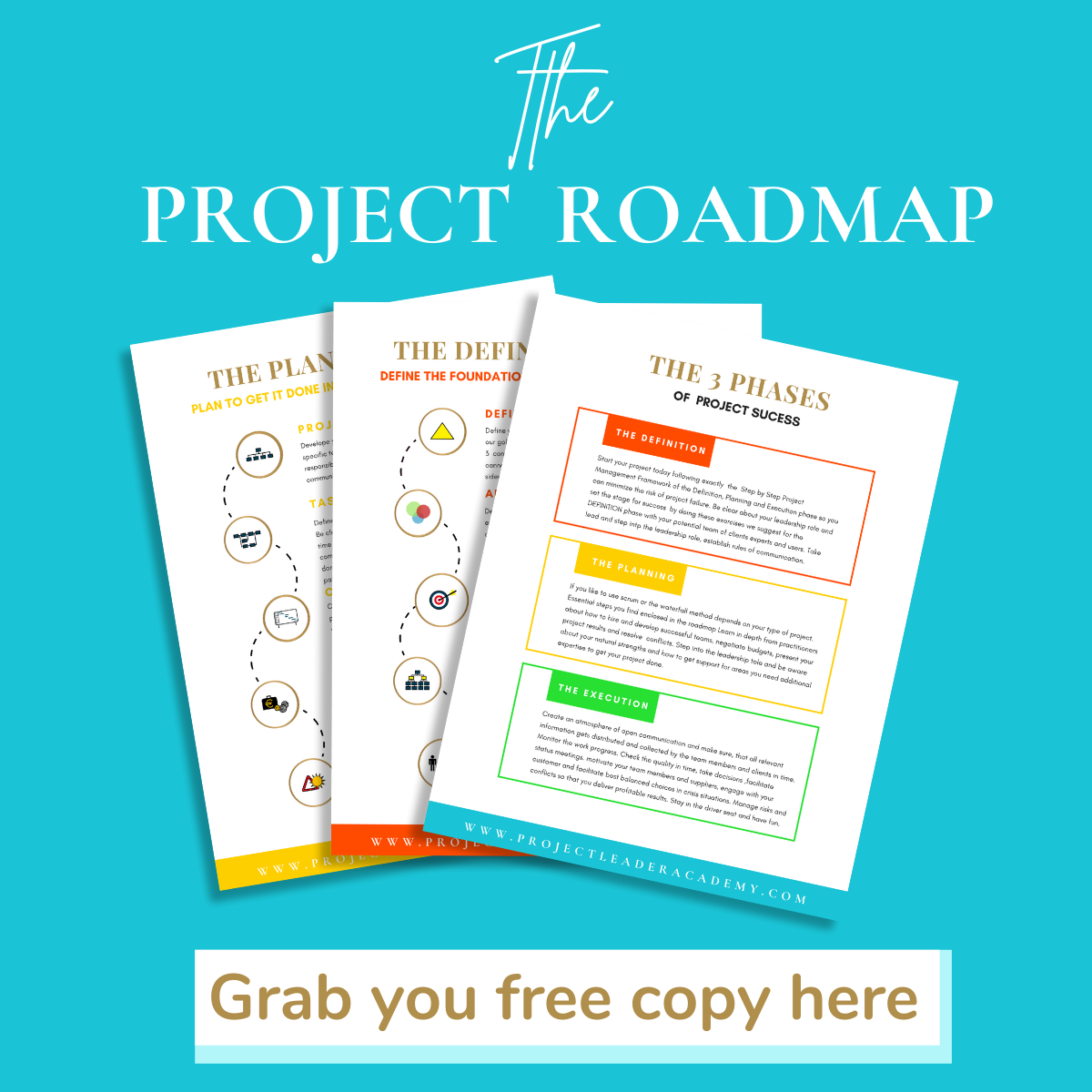
Planning involves the process of setting objectives, defining strategies, and establishing the course of action needed to achieve specific goals or outcomes. Download the free Project Planning Roadmap
Output: of the Planning Process:
The primary output of the planning process is a well-structured document or set of documents.
"The Plan".
Here are some typical plans
- strategic plan
- financial plan
- business plan,
- project plan,
- sales plan
- marketing plan,
- leadership development plan
- product development plan
- communication plan
or any other type of document that serves as a guide for subsequent actions. A task list is just a part of a project plan.
A project plan is a detailed document that outlines the specific goals, tasks, resources, and timeline needed to successfully complete a project.
Download the free Project Planning Roadmap and build a project plan that actually works.
Understanding Different Types of Plans, Duration and Real-World Examples
| Duration | Example |
|---|---|
| 5-Year Plan |
Implementing a long-term business strategy to expand into new markets and increase market share by 20% within five years. |
| 3-Year Plan |
Developing and launching a new product line targeting a specific customer segment, creating a projected revenue growth of 15% over three years. |
| 1-Year Plan |
Improving customer satisfaction by implementing a customer service training program to increase retention by 10% within the next year. |
| 90-Day Plan |
Streamlining internal processes and optimizing workflow to reduce operational costs by 15% within 90 days. |
| 3-Week Plan |
Enhancing the company’s online presence with a digital marketing strategy that increases website traffic by 30% every three weeks. |
What Is Project Planning?
If you want to see all the detailed steps—what belongs in planning and what belongs in execution—you can use the Project Planning Roadmap. It shows the full structure on one clear page.
Get the Project Planning Roadmap
The Purpose of Project Planning
Planning helps to define everything what needs to be done, how it should be done, and what resources are needed to achieve the desired objectives. All types of plans are prepared to achieve the defined objectives
.A project plan serves asa roadmap for project execution, providing a structured approach to achieve the project's objectives.
A vision that helps to align stakeholder and team members to align their actions a foundation for financing the project idea.
Example of Project Planning in Action
:Let's use the example of planning and managing a charity fundraising event:
In the planning phase, you would outline your goals, objectives, and the purpose of the event.
You'd decide on the event's format, date, and location. You'd create a comprehensive plan, breaking down tasks like securing sponsors, choosing entertainment, planning the menu, and creating a marketing strategy. Your plan would outline a timeline, budget, and allocate responsibilities.Let's say you're organizing a charity gala to raise funds for a local animal shelter. In the planning phase, you'd set objectives (e.g., raising $50,000) and choose a date and venue. You'd plan tasks like reaching out to potential donors, designing invitations, and coordinating with a catering service.
How to Move Forward with Project Planning
Now that you understand the core elements of project planning, it’s time to take action.
You find all planning steps and execution tasks in the Project Planning Roadmap and start creating clear, actionable project plans for your next initiative.
With the right tools and processes, you can ensure your project’s success from start to finish.
How Planning Integrates with Management
Here is a scheme showing how the planning phase integrates with management tasks to ensure successful execution. 
What is Management?
Definition of Management:Management is mostly a communication process of distributing and collecting information. involving people, coordinating, executing, and overseeing the planned activities to ensure that they are carried out efficiently and effectively. It involves distributing and collecting information. leading people, allocating resources, and monitoring progress.
The Nature of Management:It is an ongoing and reactive process that takes place during the execution phase.
Management requires lot of communication and includes:
-
Observing ( monitoring)
-
Decision making
-
Communication
Management is about making sure that the planned activities are carried out as intended.
Key Management Activities:
Management tasks encompass assigning responsibilities, guiding the team, allocating resources, monitoring performance, addressing issues, and ensuring that goals are met,During the execution management involves a lot of communication like:
- moderating meetings,
- giving and receiving feedback,
- taking decisions,
- collecting and sharing information
- observing and monitoring the work progress
Output of Management Activities:
The main output of management is the successful execution of the planned activities, leading to the achievement of the defined objectives.
The Purpose of Management
Management is all about taking the plan and making it a reality. It involves making real-time decisions, adapting to changing circumstances, and ensuring that the project or operations run smoothly.
Examples of Management:
As the event approaches, this phase involves executing the plan. You'd manage the logistics, ensuring the venue is set up correctly, the catering is on time, the entertainment runs smoothly, and the guests are welcomed.
During the event, you'd handle any unexpected issues that arise, oversee the volunteers and staff, and ensure everything aligns with the plan.
Typical management activities are:
- supervise the progress,
- coordinate vendors,
- ensure everyone is on time,
- track time and expenses.
- manage deviations and conflicts between people.
- collect feedback and listen.
In the management phase, you'd be on-site on the day of the event, ensuring the decorations are in place, the auction runs smoothly, and guests have a great experience.
You might manage last-minute changes, like accommodating more guests than expected.
Project managers require a set of management skills that are essential for success in projects of all sizes, whether they are small, mid-sized, or large. However, the degree to which these skills are applied and the complexity of their application may vary depending on the project's size.
Here are key management skills that project managers need for each category of projects:
Management For Small Projects:
- Time Management: Efficiently manage limited project timelines and resources to achieve project goals within a short period.
- Scope Control: Clearly define project scope and ensure that it remains focused to prevent scope creep.
- Communication: Maintain clear and concise communication with a small team of stakeholders, often with informal methods.
- Task Delegation: Assign tasks to team members and ensure that everyone knows their responsibilities in a small team.
- Risk Identification: Identify potential risks that could impact the project's success and take preventive measures promptly.
Management For Mid-Sized Projects:
- Team Leadership: Lead a larger project team, motivate team members, and foster collaboration.
- Resource Management: Efficiently allocate and manage project resources, including personnel, budget, and materials.
- Stakeholder Engagement: Engage with a broader range of stakeholders and manage their expectations effectively.
- Project Planning: Develop a comprehensive project plan with detailed schedules, budgets, and deliverables.
- Quality Assurance: Implement quality control processes to ensure project deliverables meet established standards.
Management For Large Projects:
- Strategic Thinking: Align the project with the organization's strategic goals and vision.
- Complex Risk Management: Identify, assess, and manage complex risks that may arise in large, multifaceted projects.
- Change Management: Implement change management strategies to address the impact of the project on the organization and its culture.
- Procurement Management: Manage complex procurement processes, including vendor selection, contracts, and supplier relationships.
- Governance and Compliance: Ensure that the project adheres to regulatory requirements and industry standards.
Common Management Skills Across All Project Sizes:
- Leadership: Inspire and guide teams toward project success.
- Problem-Solving: Quickly identify and address project issues and obstacles.
- Communication: Clearly convey project goals, updates, and expectations to stakeholders.
- Negotiation: Resolve conflicts and negotiate with team members, stakeholders, and suppliers.
- Organizational Skills: Keep project documentation and processes well-organized.
- Adaptability: Be flexible and able to adapt to changing project requirements or circumstances.
- Budget Management: Effectively manage project budgets, regardless of size.
- Conflict Resolution: Resolve conflicts and disputes that may arise during the project.
While the core management skills remain consistent, project managers must tailor their approach and the depth of application based on the size and complexity of the project they are managing.
Larger projects typically require a more extensive and strategic application of these skills, whereas smaller projects may focus on essential tasks and communication within a smaller team.
Examples Illustrating the Distinct Planning and Management Skills Needed for Each Project Phase
1.Construction of a New Office Building (Real Estate Development)
- Planning: Before the construction begins, planners decide on the building's design, size, budget, and timeline. They conduct feasibility studies, secure permits, and finalize architectural plans.
- Management: Once construction starts, the project manager oversees daily operations, coordinates with contractors, addresses unforeseen issues like weather delays or supply shortages, and ensures the project stays on budget and schedule.
2. Launch of a New Software Product (Tech Industry)
- Planning: In the planning phase, the team defines the software's features, target market, development timeline, and marketing strategy. They conduct market research to understand customer needs and set clear objectives for the product.
- Management: During the management phase, the project manager coordinates with developers, tracks progress, adjusts plans based on testing feedback, manages the marketing launch, and ensures the product meets quality standards and deadlines.
3. Organizing a Large International Conference (Event Management)
- Planning: Planning involves selecting a theme, determining the location and date, estimating attendance, arranging speakers, and planning the logistics. Budgeting and sponsorship acquisition are also key planning tasks.
- Management: When managing the event, the project manager handles vendor contracts, coordinates with the venue, solves last-minute issues, ensures the event runs smoothly, and manages the team and resources on the day of the event.
4. Expansion of a Retail Chain (Retail Industry)
- Planning: This includes market analysis to choose new locations, budgeting for expansion costs, designing store layouts, and planning inventory and staffing needs.
- Management: During execution, the project manager oversees the construction or leasing of new stores, hires and trains staff, coordinates the supply chain for inventory, and manages the actual opening of the stores.
5. Development of a New Pharmaceutical Drug (Pharmaceutical Industry)
- Planning: Involves extensive research to identify potential drug compounds, planning clinical trials, obtaining regulatory approvals, and setting long-term goals for drug development.
- Management: Management includes overseeing clinical trials, ensuring compliance with regulatory standards, addressing any scientific or ethical issues that arise, and preparing for product launch if trials are successful.
These examples show how planning is more about setting the framework, objectives, and resources for a project, while management is about executing the plan, dealing with real-time challenges, and ensuring the project's objectives are met.In essence, planning is the strategic phase where you decide what needs to be done, and management is the tactical phase where you ensure it gets done effectively. In summary, planning lays the groundwork for what needs to be done and how, while management involves the actual implementation, coordination, and control of the activities specified in the plan.
These processes are dynamic, meaning that as management proceeds, new insights and feedback can influence the planning process, leading to adjustments and refinements.
The interplay between planning and management is essential for the success of any project or organization.
Planning vs. Management Using the GPS Framework
| GPS Element | Planning (Before Work Begins) | Management (During Execution) |
|---|---|---|
| Goals |
Define objectives, outcomes, scope, milestones, and success criteria. |
Monitor progress, track KPIs, adjust goals based on reality, and ensure alignment. |
| People |
Identify roles, clarify responsibilities, estimate workload, and decide who does what. |
Lead the team, coordinate tasks, communicate updates, solve conflicts, and support stakeholders. |
|
Systems |
Create the project plan, WBS, timeline, resources, budget, and risk list. |
Implement processes, run meetings, track status, update systems, and manage issues and changes. |
The Real Problem Isn’t Planning or Managing — It’s the Missing Balance
Here’s a simple table that illustrates it without confusion
Balanced Planning & Management Table
| Without Planning | Balanced Planning & Management | Without Management |
|---|---|---|
|
Constant firefighting and urgent issues everywhere. |
Clarity and structure guide daily work. |
Plans stay on paper and are quickly forgotten. |
|
Stress, overload, and feeling permanently behind. |
Smart decisions and calm, focused execution. |
No real follow-through, lots of delays. |
|
Frequent last-minute surprises and crises. |
Predictable progress and realistic timelines. |
Confusion about priorities and next steps. |
|
Always in reactive mode, “putting out fires.” |
Proactive and responsive leadership. |
Team is misaligned and uncoordinated. |
|
Everyone wonders, “Where do we even start?” |
“Everyone knows their role and next step.” |
Nobody really tracks progress or outcomes. |
When planning is missing, management becomes a fire brigade — always reacting, always putting out flames, never moving forward.
That’s not leadership. It’s exhaustion.
When management is missing, planning becomes wishful thinking— ideas that never turn into results.
The goal is the balance:
Plan with clarity → Manage with confidence.
If you want to escape the firefighting cycle and step into proactive, confident leadership, start with a clear plan. Download the free Project Planning Roadmap and bring calm, structure, and direction into your next project
Ready to Dive Deeper?
At Project Leader Academy, we’ve been helping professionals like you for over 20 years, delivering in-depth training and consulting for complex projects.
Whether you want to master project planning, develop your leadership communication skills, or elevate your project execution strategy, we have tailored solutions for you.Interested in mastering the art of project planning?
Take the next step with The Project Plan Academy — our flagship online course designed to help you build clear, actionable project plans that drive results. Learn more about the Academy here.
Know Exactly Where You Stand — Before You Plan Your Next Project
Most planning breaks down not because people don't know how to plan, but because they don't know where they're weak. The GPS Self-Assessment shows you exactly which area — Goals, People, or Systems — needs your attention first.
Take the Free GPS Self-Assessment
:
Get your free Project Planning Checklist and make sure your next project is set up for success from the start!